
Blog / Moon Township Ford Dealer

Ford Edge Cost of Ownership

Ford Edge Cost: A Comprehensive Guide to Understanding Ownership Expenses

If a Ford Edge is next on your wishlist, Moon Township Ford is here to help you make it happen. Our premier Ford dealer in Pittsburgh, PA, welcomes you to discover this bestselling Ford SUV in our expansive new inventory to elevate every aspect of your driving experience. However, before you take the steps to add the Ford Edge to your family fleet, we understand that it is essential to be mindful of the expenses of purchasing a new car. For your convenience, our experts have broken down the overall cost of a Ford Edge — from its purchase price, ownership costs, insurance costs, and more — to ensure you can move forward confidently on your next purchase. Follow along to discover why a Ford Edge would be a great addition to your adventures, and visit Moon Township Ford to schedule a test drive today.

Overview of the Ford Edge

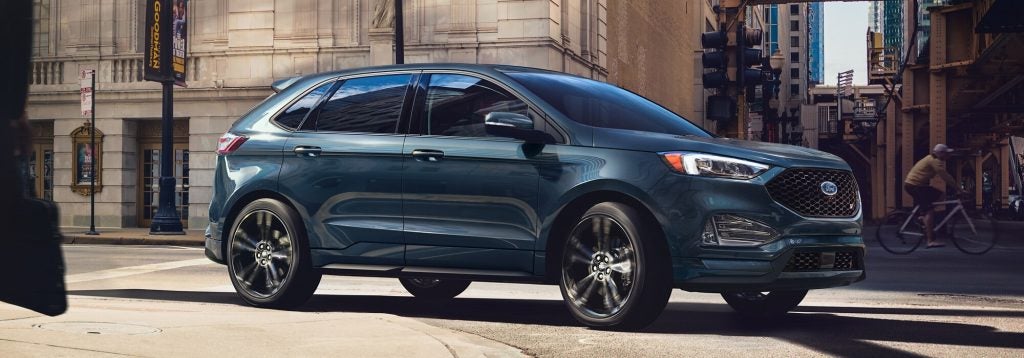
The Ford Edge is a midsize SUV that masterfully blends style, comfort, and performance, making it an ideal choice for families and individuals. Its sleek design and spacious interior ensure a comfortable ride, while its robust performance capabilities cater to various driving needs. The Ford Edge is available in several trim levels, including the SE, SEL, ST-Line, Titanium, and the performance-focused ST. Each trim level offers unique features and capabilities, allowing you to find the perfect Ford Edge to suit your lifestyle. Whether you prefer the sporty aesthetics of the Ford Edge ST-Line or the high performance of the Ford Edge ST, there’s a Ford Edge model tailored to meet your expectations.
Purchase Price & Incentives: How Much Does a Ford Edge Cost?

According to cost analyses completed by Kelley Blue Book and Edmunds, consumers should expect to pay a starting purchase price of between $38,000-49,000 depending on the trim, specifications, features, and available packages. In addition to model features, the model year also significantly influences the purchase price of a Ford Edge. Newer Ford Edge configurations typically cost more, and older models may be more cost-effective. Moon Township Ford frequently offers incentives and discounts for many models, including the Ford Edge, to make it more affordable for buyers. Shoppers wishing to explore additional options outside our new inventory can also check out a gently-used Ford Edge within our used and Ford Blue Advantage inventories.

Negotiating with dealers is vital to get the best price for your needs and budget. The overall purchase price of a car will influence your Ford Edge monthly payment, so be sure to do your research before visiting the dealership. Knowing the estimated costs of vital factors like your desired trim level, model year, available packages, and the market value of your ideal Ford Edge will help you make an informed decision when the time of purchase arrives.

Ford Edge Ownership Costs: Five-Year Breakdown

According to KBB and Edmunds, if you own a Ford Edge for up to five years, the estimated cost of ownership during this time ranges from $53,000-68,000. Model year can significantly impact the depreciation and overall costs of the Ford Edge. However, it’s important to understand that Ford Edge depreciation rates may affect the value of your vehicle over time, especially within the first two years after purchase. The range of ownership costs for up to five years factors in taxes, fees, insurance costs, maintenance, financing, and vehicle depreciation, among other costs.

For a more precise understanding of the five-year ownership costs of a Ford Edge, consider using trusted online payment calculators from reputable sources like KBB or Edmunds to estimate the cost of ownership more accurately based on your needs and budget.

Ford Edge Cost & Fuel Economy

With the ever-changing cost of gas, fuel economy is a critical consideration before buying a new car. The EPA-estimated fuel economy of newer Ford Edge models with the standard 2.0L EcoBoost® engine is rated at 21 MPG in the city, 28 MPG on the highway, and 23 MPG combined.

The excellent fuel economy of a Ford Edge can significantly reduce your overall fuel costs. However, several factors, including driving habits and conditions, frequency of use, vehicle maintenance, and more, can impact real-world MPG.

Ford Edge Insurance Costs

Car insurance is a mandatory aspect of vehicle ownership, making Ford Edge insurance rates an important factor to consider before purchase. The average insurance costs for a Ford Ford Edge range between $5,000-15,000 over five years. The average cost of insurance for a Ford Edge may vary based on the model year, trim level, safety features, and your personal driving history.

To find the best insurance price for a Ford Edge, it’s essential to shop around and compare quotes to find the ideal rate for your budget.

Ford Edge Maintenance Costs

The average maintenance cost over five years for a Ford Edge is around $4,000-6,000. This range is influenced by vehicle factors such as age, condition, and trim level. Routine maintenance is critical to maintaining optimal vehicle performance and fuel efficiency, so it’s wise to factor in these expenses and potential repairs to ensure your Ford SUV stays at its best.

Ford Edge Warranty & Extended Maintenance Coverage

New vehicles come with a basic New Vehicle Limited Warranty, which lasts up to 3 years/36,000 miles, and a 5-year/60,000-mile powertrain warranty. However, drivers who wish for more long-term coverage for maintenance and repairs can purchase extended warranty coverage for their Ford Edge. Extended warranty maintenance coverage can mitigate routine maintenance and repair costs. For more information about adding an extended warranty to your maintenance plan, speak with one of our Ford-certified service technicians.
Ford Edge Vehicle Features

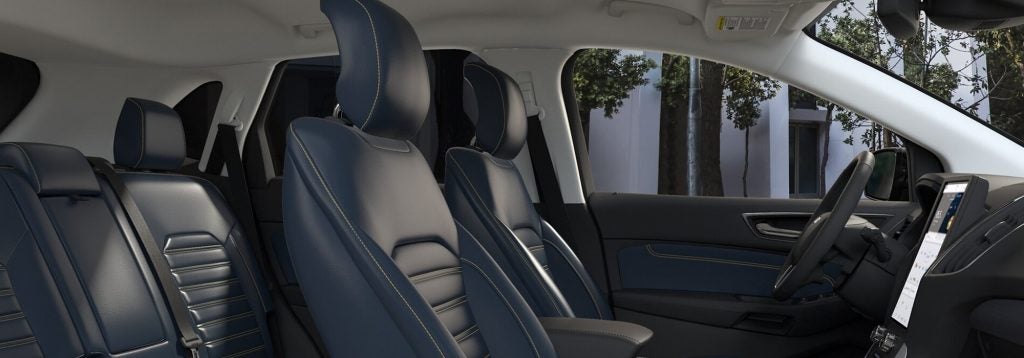
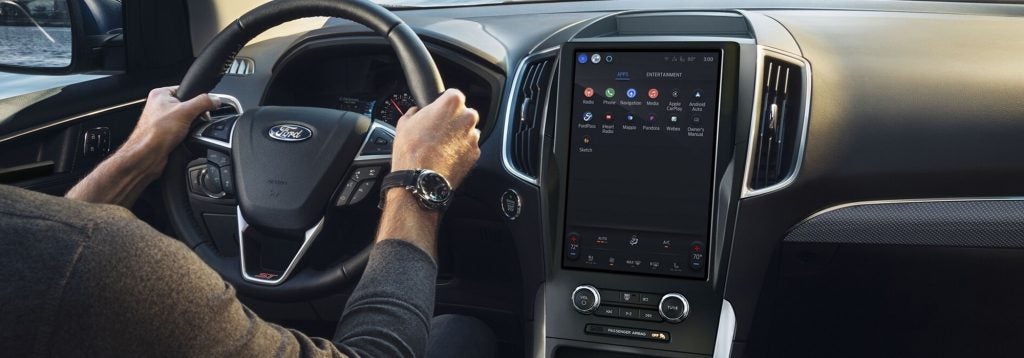
The Ford Edge is a spacious midsize SUV with a wide selection of standard and available features and amenities. Many of these driver-oriented configurations include standard AWD across all trims, the Ford Co-Pilot360® safety suite, the available Ford Co-Pilot360® Assist+, and more. The Ford Edge is designed for family life, and versatility is one of its primary design perks. The interior includes several additions for your comfort and convenience, including standard reclining front bucket seats, up to 40.6 in. of rear legroom, a 12-in. Center-Stack Multi-Function Screen with SYNC® 4A, FordPass® Connect 4G LTE Wi-Fi Hotspot, and SiriusXM® with 360L. 

Ford Edge Engine, Transmission Options, & Towing

Newer Ford Edge models feature the base Twin-scroll 2.0L EcoBoost® turbocharged engine with 250 horsepower and 280 lb.-ft. of torque with premium fuel. The standard engine is paired with the 8-speed automatic transmission. For those who wish to upgrade, the Ford Edge can be equipped with the available 2.7L EcoBoost® V6 twin-turbocharged engine with 335 horsepower and 380 lb.-ft. of torque and a 7-speed automatic transmission.

Reach the maximum Ford Edge towing capacity of 3,500 lbs. with the available Class II Trailer Tow Package. The maximum payload capacity for a Ford Edge is 650 lbs.
Tips for Buying a Ford Edge

Buying a new car is an exciting time. However, it can also be stressful if you don’t have the right tools. We proudly offer customers a seamless shopping experience at our Pittsburgh, PA, Ford dealer and provide many tools to streamline the purchase process. View our bestselling new inventory online, where you can shop from many different Ford Edge trims, configurations, and styles. Once you’ve discovered a model that piques your interest, schedule a test drive online and utilize our online finance application and get pre-approved from home!

Find Your New Ford Edge

Moon Township Ford is proud to be your destination for a Ford Edge for sale in Pittsburgh, PA. Visit our premier Ford dealership to learn more about the costs of owning a Ford Edge and other important information, like Ford Edge's resale value, today!
SHOP NOW

Posted in:

Related Posts

Ford Employee Pricing

Ford Employee Pricing For All

AMERICAN VALUE. FOR AMERICAN VALUES. Ford has spent more than 120 years helping move America forward, earning its place on roads, job sites, driveways, and in family memories across the country. Now named the Most Iconic Company in America by TIME and Statista, Ford is celebrating that legacy as the nation approaches its 250th birthday with the AMERICAN VALUE. FOR AMERICAN VALUES. Employee Pricing Event. Moon Township Ford in Moon Township, PA, is proud to participate in this limited-time event, giving eligible shoppers access to Employee Pricing on select eligible new Ford vehicles. It’s a meaningful opportunity to upgrade with confidence, enjoy real value, and drive home in a Ford vehicle that fits your way of life. Employee Pricing For A Limited Time For a limited time, eligible shoppers can take advantage of Employee Pricing on select eligible new Ford vehicles at Moon Township Ford during the AMERICAN VALUE. FOR AMERICAN VALUES. Employee Pricing Event. This national Ford event celebrates the values that have shaped the Ford legacy for generations: hard work, craftsmanship, dependability, innovation, and a lasting commitment to communities across America. Ford has long been part of the American story, helping drivers show up for the workday, the school run, the family trip, the growing business, and everything in between. Today, that same purpose continues across a lineup of capable Ford trucks, versatile Ford SUVs, hardworking Ford vans, performance vehicles, and electric vehicles designed for the way Americans drive. Employee Pricing Made Simple The AMERICAN VALUE. FOR AMERICAN VALUES. Employee Pricing Event is a national Ford program available through participating dealers from May 1, 2026, through July 6, 2026. During this event, eligible customers can receive Employee Pricing on select eligible new Ford vehicles. Eligible vehicles may include select new 2025 and 2026 Ford models, such as the Ford Mustang, Ford Mustang Dark Horse, Ford Mustang Mach-E, Ford Bronco Sport, Ford Bronco, Ford Expedition, Ford Maverick, Ford Ranger, Ford F-150, Ford Transit Van, Ford E-Transit, Ford Bronco Raptor, Ford Bronco Stroppe Edition, Ford F-150 Lightning, Ford Super Duty, Ford Escape, and Ford Explorer. Eligibility varies by model year, trim, delivery type, availability, and program rules, and some specialty vehicles are excluded. Our team at Moon Township Ford can help you confirm which vehicles in our inventory qualify, review current pricing, and walk you through your options. Shop AMERICAN VALUE. FOR AMERICAN VALUES. in Moon Township, PA Ford vehicles are woven into the daily lives of drivers across the country, from work sites and school drop-offs to road trips, errands, and weekend escapes. Here in Pennsylvania, Moon Township Ford is proud to help drivers from Moon Township, PA, and surrounding communities find dependable Ford vehicles that fit their lives. Whether you’re interested in a capable Ford F-150, a versatile Ford Explorer, an adventure-ready Ford Bronco Sport, an efficient Ford Mustang Mach-E, a practical Ford Maverick, or another eligible new Ford vehicle, this event gives you a timely reason to shop. Why Shop With Moon Township Ford? At Moon Township Ford, we believe the right dealership experience should feel clear, helpful, and easy from the start. Our team is here to provide upfront guidance, answer your questions, and help you compare eligible Ford models with confidence. During the AMERICAN VALUE. FOR AMERICAN VALUES. Employee Pricing Event, you can shop online or visit our dealership near Easton, MD, to explore qualifying new Ford inventory. We’ll help you understand Employee Pricing, review available incentives, and find a vehicle that makes sense for your lifestyle, your business, and your budget. When you shop with Moon Township Ford, you’re working with a local dealership that values honesty, hospitality, and doing right by our customers. Shop the Event Before It Ends July 6, 2026 The AMERICAN VALUE. FOR AMERICAN VALUES. Employee Pricing Event is only available for a limited time, from May 1, 2026, through July 6, 2026. Inventory and eligibility may vary, so now is the time to explore your options. Visit Moon Township Ford in Moon Township, PA, give us a call, or browse our new Ford inventory online today. However you choose to shop, our team is ready to help you take advantage of Employee Pricing on select eligible new Ford vehicles during this limited-time Ford event. SHOP NOW

Are New Cars Safer

Are New Cars Safer? Why You Should Buy New

Modern Vehicle Safety For Shoppers When drivers visit Moon Township Ford, they often arrive with one big question in mind: are new cars safer than the vehicles they already own? That concern usually starts with a comparison of old-car vs. new-car safety and quickly expands into a broader look at car safety as a whole. Anyone who has spent years driving an older vehicle has felt that moment of doubt in traffic, wondering whether newer cars would handle a sudden stop or near miss more confidently. It’s only normal to ask “Are new cars safer?” when family, commute time, and changing driving conditions are all on the line. Over the last few decades, car manufacturers have transformed automotive safety through smarter vehicle design, updated safety standards, and continuous safety improvements. Agencies such as the National Highway Traffic Safety Administration and the Insurance Institute for Highway Safety collect large amounts of crash-test data, run detailed crash tests, and track driver crash rates and fatality rate trends to see whether new cars are getting safer. Their findings show that safer cars and safer vehicles can reduce fatal crashes and serious injuries among car occupants and other road users. That evidence matters when you are standing in the showroom at Moon Township Ford and quietly wondering whether to upgrade to a new car. How Modern Vehicle Design Protects You One of the biggest changes you will notice when comparing older cars with modern cars is how crash forces are managed. Today’s new vehicles are built around carefully engineered crumple zones that absorb impact and redirect energy away from the passenger compartment. These areas are designed to deform in a controlled way, helping to keep the cabin more stable and lowering crash risk in many types of car accidents. For motorists who have always relied on older models, it is reassuring to see how much work has gone into answering the question of whether new cars are safer in real-world collisions. Inside the cabin, newer vehicles use high-strength steel, smart vehicle design, and well-placed reinforcements in the roof, floor, and doors. The steering column and steering wheel are designed to move or collapse in specific ways, while side curtain airbags deploy to help shield heads in side impacts and rollovers. Combined with three-point seat belts, anti-lock brakes, and electronic stability control, these safety systems are all focused on keeping car occupants away from the most dangerous forces. Even a midsize car or small SUV can offer impressive crash safety when engineers prioritize both highway safety and overall road safety. For many shoppers at Moon Township Ford, this structure-focused view goes a long way toward answering whether new cars are safer than what they parked at home. Crash Testing, Data, and Safety Standards The structural changes you see in the showroom are shaped by what researchers see during crash testing. Organizations like the National Highway Traffic Safety Administration and the Insurance Institute for Highway Safety conduct a wide variety of crash tests, from frontal and side impacts to rollovers and specialized high-speed test procedures. These evaluations help determine how each passenger vehicle protects car occupants and how different vehicle classes stack up on traffic and highway safety charts. When engineers review this data and redesign models for a new model year, they are responding directly to the ongoing question of whether new cars are safer according to the numbers. In addition, insurance companies and regulators use this information to reward safer vehicles and encourage ongoing safety improvements. They look closely at driver death rates, fatal crashes, and how older vehicles compare with newer vehicles when impacts occur at real-world speed limit ranges. Results can vary depending on vehicle choice and design, and whether a model is a large SUV, pickup truck, small car, or other large vehicle. Heavier vehicles sometimes perform differently in certain crashes because of curb weight, which is why comparing cars for safety means looking beyond age and focusing on design. As you explore inventory at Moon Township Ford, we can help you explore whether new cars are safer for the specific kind of driving you do. Modern Safety Systems and Crash Avoidance Technologies Beyond strong structures, new cars shine in the advanced safety systems they offer. Features such as Forward Collision Warning and Automatic Emergency Braking can help you react more quickly when traffic slows suddenly. Many modern cars blend these tools into broader crash avoidance technologies that support crash prevention rather than just crash response. For drivers who remember their first car having little more than seat belts and basic brakes, the leap in capability makes it very reasonable to ask whether new cars are safer in the moments that matter most. Electronic Stability Control and anti-lock brakes help maintain control in sudden maneuvers, while Lane Departure Warning, Lane Keep Assist, and Blind Spot Warning assist with lane changes and longer trips. Adaptive Cruise Control automatically adjusts speed to follow traffic more smoothly within the speed limit, easing fatigue on the highway and supporting highway safety for everyone. These systems are not limited to luxury cars anymore; many mainstream models include them as standard or widely available equipment. When you experience these technologies on a test drive at Moon Township Ford, you may find your answer to whether new cars are safer shifting as the vehicle quietly helps manage tricky driving conditions. Everyday Driving Experience and Visibility Modern vehicles also support safety by helping you stay focused. Clean dashboard layouts, intuitive controls, and clear digital displays keep your attention on the road instead of buried in menus. Voice commands allow you to adjust settings without taking your hands off the steering wheel, while thoughtful cabin design makes it easier to monitor mirrors and surroundings. Compared with older cars and older vehicles that were never designed around distraction concerns, many shoppers feel more confident answering whether new cars are safer once they have spent time in a modern cabin. Low-speed situations matter too. A crowded parking lot or tight driveway can hide pedestrians, pets, and obstacles in blind spots. Cameras, parking sensors, and other parking aids improve pedestrian safety and reduce the risk of minor bumps or fender benders. These tools are especially helpful in larger vehicles and heavier vehicles, where visibility can be more challenging. As these technologies quietly prevent incidents day after day, they offer practical evidence that proves to drivers that new cars are safer, not just theoretically, but something they can experience routinely. Balancing Size, Segment, and Safety Priorities Choosing the right vehicle means balancing safety with everyday needs like space, style, and fuel efficiency. Some drivers feel most comfortable in a large SUV or pickup truck, while others prefer the agility and fuel economy of a small SUV or a compact passenger vehicle. The good news is that strong automotive safety is available across many segments, as long as you pay attention to crash test ratings, crash tests, and available safety systems, rather than focusing only on looks. Working with the team at Moon Township Ford gives you a chance to review the data and ask whether new cars are safer for your family, even if you move to a different size or body style. See Today’s Safety Advances The most convincing way is to see and feel the differences in person. At Moon Township Ford, you can explore new vehicles alongside carefully selected older pre-owned vehicles. Staff can walk you through safety standards, explain how specific safety systems work, and show you how features like Forward Collision Warning, Adaptive Cruise Control, Lane Departure Warning, Lane Keep Assist, and Blind Spot Warning work together. Once you watch these tools in action, it becomes easier to decide for yourself whether new cars are safer for your daily routes. You can also review safety labels, ask about recent crash tests, and learn how car manufacturers respond to each new IIHS test and regulatory change. Whether you are comparing small SUVs, a midsize car, a family-focused large SUV, or a capable pickup truck, the team can outline how each model’s safety systems and safety standards support road and traffic safety in and around Moon Township, PA. Visit Moon Township Ford to Explore Safer Vehicles When you are ready to move from research to real-world experience, visit Moon Township Ford and take a closer look at today’s safer vehicles. Sit behind the steering wheel, explore the dashboard, and imagine how each passenger vehicle will feel in your driveway and on your favorite routes. With guidance on crash testing results, crash avoidance technologies, and the latest in automotive safety, you can build confidence that your next vehicle choice supports both performance and protection. By the time you finish comparing options, you should have a clear, personal answer to the question that started your search for whether new cars are safer for you, your passengers, and your life in Moon Township, PA. SHOP NEW FORDS

New vs. Used Car Prices: Where’s The Market Trending?

Finding the Best Option for Your Budget When it comes to deciding on your next vehicle, understanding new vs. used car prices can make or break your budget. As car prices trend up and down with shifts in the auto market, it becomes even more important to compare car prices carefully instead of rushing into a decision. Whether you’re considering a new Ford with advanced technology or a reliable used vehicle, making an informed decision is crucial. New car prices are often higher due to their cutting-edge safety features and advanced amenities, while used cars come with lower prices and reduced depreciation rates. By understanding vehicle prices, financing options, and insurance costs, car buyers can work with Moon Township Ford to navigate the complexities of the car market and secure the best deal for their next car purchase. Comparing new vs. used car prices also helps you decide whether a newer model or an older one gives you more value over time. Visit us today in Moon Township, PA! Why New Car Prices Are Higher and Their Benefits Breaking Down the Sticker Price New car prices vs. used are typically higher because they include the latest advanced technology, modern design, and cutting-edge safety features. Car manufacturers like Ford invest heavily in research and development to equip new cars with features like Adaptive Cruise Control, Lane-Keeping Assistance, and infotainment systems, which can drive up the sticker price. For car buyers, these features often translate into enhanced driving comfort, improved car safety, and a safer road experience, which many car shoppers are willing to pay for when comparing new vs. used car prices. Additionally, new vehicles come with full factory warranties, which can significantly reduce repair costs during the early years of ownership. This warranty coverage gives car shoppers peace of mind, knowing they won’t face unexpected car repair expenses soon after purchasing. Ford and Moon Township Ford also frequently offer financing deals with lower interest rates, which can make the car payment and overall monthly payment on a new car more manageable for qualified buyers. Some promotions may feature special auto loan interest rates that keep financing costs in check, especially for shoppers with a strong credit score. The Role of Depreciation and Resale Value One of the most significant factors affecting new vs. used car prices is depreciation. A new car begins to lose value the moment it is driven off the lot, with the depreciation rate being highest during the first year. This means the transaction price for the same car will drop sharply if it becomes a used vehicle, making its resale value much lower in the short term. Over time, this depreciation directly impacts car values and the car pricing you see in guides and online listings. However, after this initial steep decline, the depreciation rate tends to stabilize, and vehicle prices start to level out. For car buyers considering their next car, it’s important to weigh the benefits of owning a new vehicle against this rapid loss in value. While new cars offer predictable costs, advanced technology, and strong car safety features, the lower resale value and high initial investment might not align with every budget. Looking at new vs. used car prices side by side can be a powerful piece of car advice, showing you how much value you may lose or retain over time based on your buying choices. Why Used Cars May Be a Smarter Financial Choice Lower Prices and Total Cost of Ownership For those focused on budget-friendly buying choices, a used vs. a new car price often presents a more affordable option. Used vehicles generally come with significantly lower sticker prices compared to a new vehicle, offering car buyers better upfront value. This lower entry cost can reduce the total cost of ownership, especially when factoring in smaller loan amounts and reduced monthly payments. In many cases, the loan terms on a used car will still result in a manageable car payment, even if the interest rate is slightly higher. Furthermore, a used car’s depreciation has already occurred, meaning its resale value won’t drop as sharply as a new vehicle’s. This can be advantageous for buyers looking for a car that holds its value better over time and who are watching the used car market trend closely. When comparing new vs. used car prices during a road test or a visit to the showroom, many shoppers find that a well-maintained used car delivers the practicality they need without stretching their budget. Factors to Check Before Buying While used cars can be a great financial choice, car shoppers need to perform due diligence before making a purchase. Start by reviewing the car’s history report to check for past repairs, accidents, or other potential red flags. This step is crucial for understanding the reliability and overall condition of the used vehicle and can help you anticipate future car repair needs, factoring in everything for new vs. used car prices. Using trusted value tools like Kelley Blue Book can help ensure you’re getting fair car pricing and avoid overpaying. Additionally, inspect the vehicle’s mileage, trade-in value, and physical condition to gauge its long-term reliability. Paying attention to these details can help you secure the best deal while minimizing future repair costs. When you weigh new vs. used car prices using resources like car value guides and online listings, you gain clarity on whether the vehicle is priced appropriately for its age, condition, and local car inventory. How Financing and Insurance Costs Differ Loan Terms and Auto Loan Rates When comparing new vs. used car prices, financing options often play a significant role in the decision-making process. New cars are more likely to qualify for special financing rates or incentives from automakers and dealerships, resulting in lower interest rates and potentially reduced monthly payments. However, the loan amount for a new car will typically be higher due to its higher price, which can raise the total financing costs over the life of the loan. In contrast, used cars usually come with higher auto loan interest rates, as lenders view them as a riskier investment. That said, the smaller loan amounts associated with used vehicles can offset the impact of higher financing rates, making them more affordable for many buyers. This is especially true when you compare new vs. used car prices and see how much less principal you are financing on a used option. Carefully reviewing loan terms, auto loan rates, and your credit score can help you decide which option fits your budget best and keeps your next car from becoming a financial burden. Insurance Costs and Premiums Auto insurance premiums can vary significantly between new vs. used car prices. For new cars, insurance rates are often higher because the replacement cost is greater. Advanced technology and safety features in new vehicles can also contribute to higher premiums, as repairing or replacing these components can be expensive. Car insurance companies factor in everything from vehicle production costs to average car repair bills and safety ratings when they set their prices. Used cars, on the other hand, typically come with lower insurance premiums. This is largely due to their reduced value and lower repair costs. Car insurance companies consider these factors when calculating premiums, making used vehicles more cost-effective to insure. However, car buyers should always compare insurance quotes to ensure they’re getting the best deal. Monitoring insurance rates and ongoing insurance premiums is just as important as reviewing price changes in the showroom. When you compare new vs. used car prices alongside coverage options, you’ll see how auto insurance and ownership costs combine to affect your overall budget. How to Compare New and Used Cars Effectively Evaluating Vehicle Prices and Ownership Costs When deciding between a new or used vehicle, it’s essential to evaluate all aspects of vehicle prices and ownership costs. Start by considering your budget and determining how much you can afford in terms of monthly payment when it comes to new vs. used car prices. Factor in financing costs, loan terms, and potential auto loan interest rates, as these will directly impact your total expenses and car payment over time. Beyond the purchase price, account for additional costs such as repair costs, insurance rates, dealer fees, and even how you plan to pay, whether you’ll use cash, an auto loan, or a credit card for part of the transaction price. Also, consider the car’s safety features and how they contribute to long-term value and car safety for your family. Balancing these elements, while keeping an eye on the broader car prices trend and auto market conditions, will help you make a more informed decision about your next car. As you compare new vs. used car prices, remember to factor in resale value and how long you plan to keep the vehicle. Timing Your Purchase Timing is another critical aspect of comparing new and used cars. The best time to buy a used car often aligns with favorable market trends, such as when car inventory is high or during end-of-year car sales events. Monitoring the auto market for fluctuations can also help you secure a better deal on new vs. used car prices. For new cars, pay attention to financing incentives and seasonal promotions offered by automakers and dealerships, such as Moon Township Ford. Staying informed about price changes, vehicle production trends, and overall vehicle sales can help you choose the right time to make your purchase and maximize savings. When you track new vs. used car prices over several months, you’ll see how the used car market trend and overall auto market conditions affect both sticker prices and the available financing options. Choosing Your Next Car: New or Used? Exploring new vs. used car prices ultimately depends on your budget, priorities, and lifestyle needs. If you value advanced technology, cutting-edge safety features, and predictable costs, a new car might be the right choice for you. New Fords also come with full factory warranties and, often, lower interest rates, offering peace of mind and convenience. For some buyers, the appeal of a newer model with the latest connectivity and driver-assist systems makes the higher upfront cost worthwhile, especially when they want the best car safety features. However, if you’re looking for better upfront value and lower prices, exploring the used car market can be a smarter financial move. Used vehicles come with lower sticker prices, reduced depreciation rates, and often lower insurance premiums, making them ideal for car buyers focused on minimizing costs. Carefully reviewing the car’s history, mileage, and trade-in value can help ensure you’re purchasing a reliable vehicle that fits your values and long-term goals. As you weigh new vs. used car prices and look at different financing options, remember that both paths can lead to a smart purchase if you align them with your budget and priorities. Moon Township Ford Is Here To Help Whether you choose to focus on the price of a new vs. used car when shopping at Moon Township Ford, it’s essential to evaluate all aspects of ownership, including monthly payments, financing deals, financing rates, and repair costs. Consider how your choice affects long-term expenses, such as auto insurance, car repairs, and everyday operating costs. Timing your purchase based on car market trends, car sales events, and shifting car inventory levels can also help you secure the best deal. By balancing your financial goals with your driving needs, using reliable car advice sources, and keeping a close eye on new vs. used car prices, you can confidently select the next car that fits your budget and lifestyle. Visit us today in Moon Township, PA! SHOP NEW FORDS